Focus Area
Learning Design
Timeline
12 weeks
2024
Role
Learning Designer
Platform
In-class learning curriculum
Deliverable
Curriculum design, lesson plans, collaborative art activity guidelines
+32%
+35%
+26%
Building Confidence in the Digital World
Build confidence and supportive peer relationships through critical, collaborative learning.
Problem Space
The NIH has reported that young girls are experiencing declining levels of self-confidence, with social media exposure identified as a major contributing factor.
Our analysis examines which specific online interactions and use cases create the greatest emotional distress for tween girls.
Target Audience
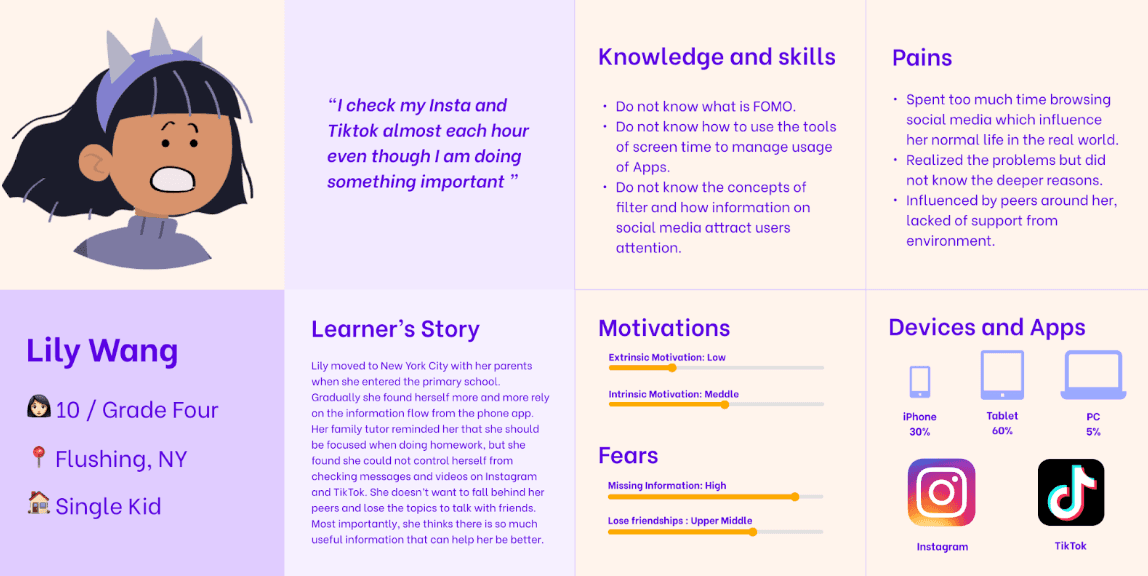
We focus on girls ages 8–12 who actively engage in digital peer interactions (messaging, group chats, early social media) and are beginning to form identity, self-image, and peer-belonging expectations.
Learning Objectives / Goals
Increase awareness of how digital images influence self-perception.
Strengthen peer-to-peer communication and supportive interaction.
Build emotional resilience in response to social-media comparison.
Promote comfort and preference for real-world, authentic images.
Research
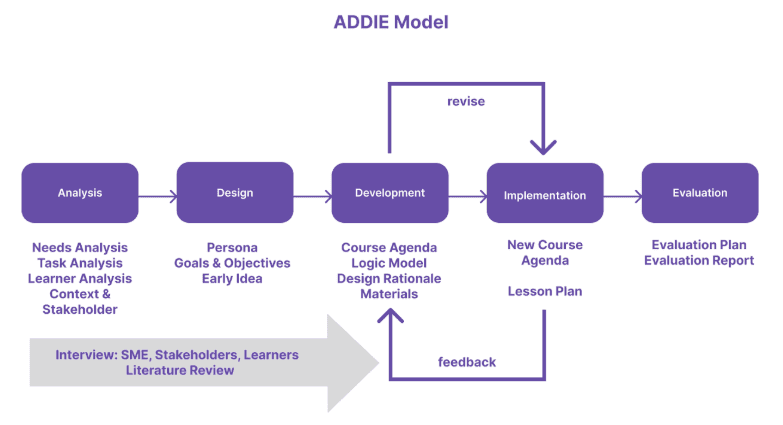
In order to know more about our audience, we carried out a structured learning design review that included needs analysis, learner analysis, task analysis, and Bloom aligned goal mapping.
We supplemented this with four stakeholder interviews across parenting professionals, instructors, and tween learners. These conversations revealed consistent emotional and social challenges related to digital comparison, peer dynamics, and media interpretation.
Learning Design Methodology
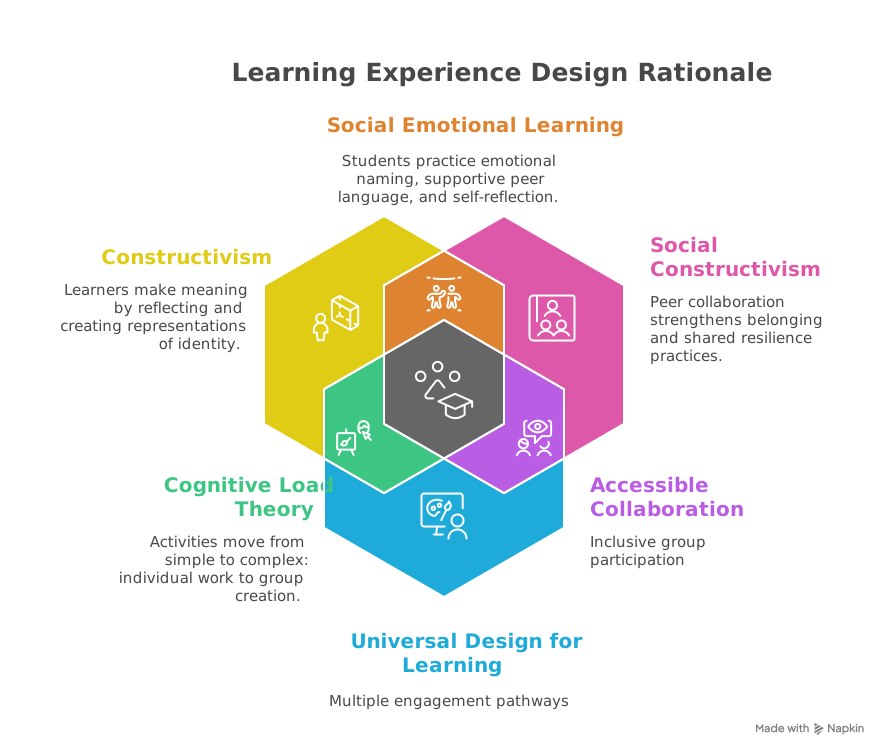
Guided by the logic of ADDIE and Backward Design, we clarified what learners needed to understand and practice before shaping any instructional approach.
These frameworks helped us interpret key findings such as the strong influence of peer comparison, the emotional sensitivity of tween learners, and their preference for collaborative and hands on activities that create a sense of safety and connection.
Interview / Survey
Interviews with girls, parents, and SMEs revealed strong peer-comparison tendencies, pressure to present perfection online, and difficulty interpreting digital images realistically. Girls preferred collaborative, creative activities over lecture-based lessons and responded best to peer-supported environments.



Solution
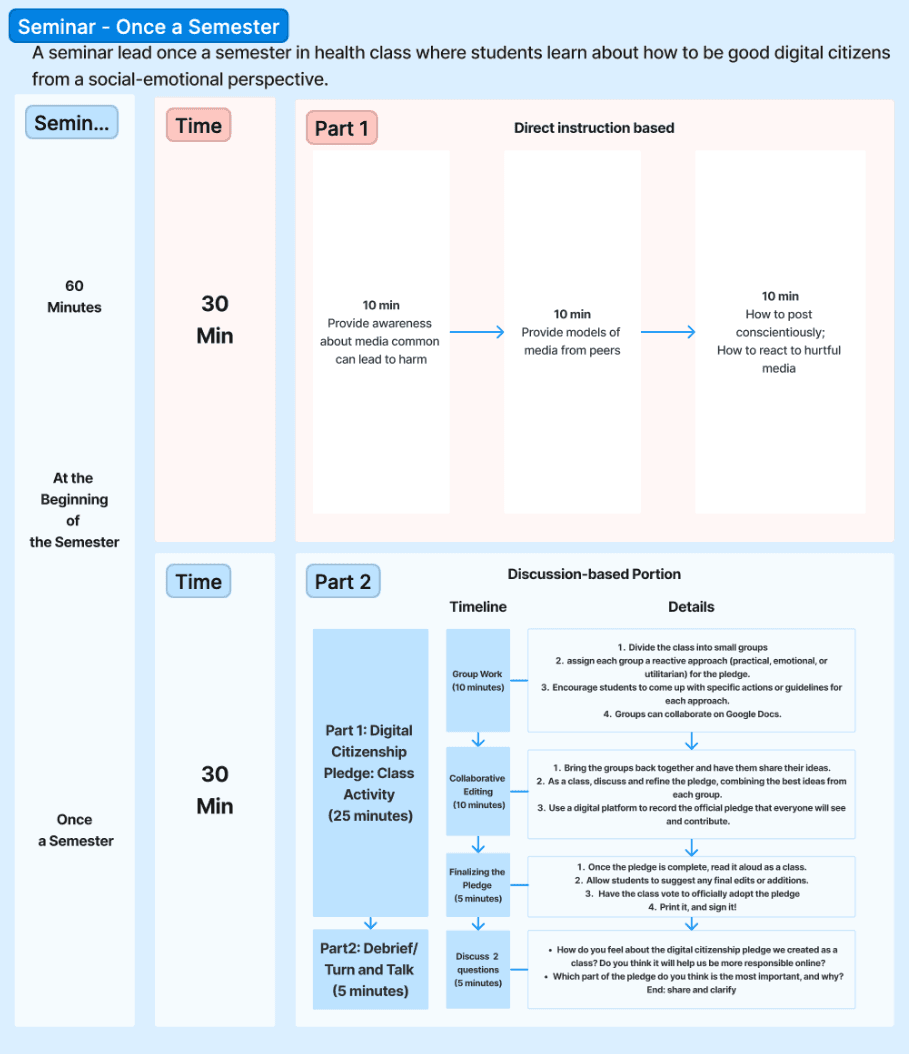
Our final design is a two-part learning experience that integrates direct instruction with collaborative art practice to build digital resilience.
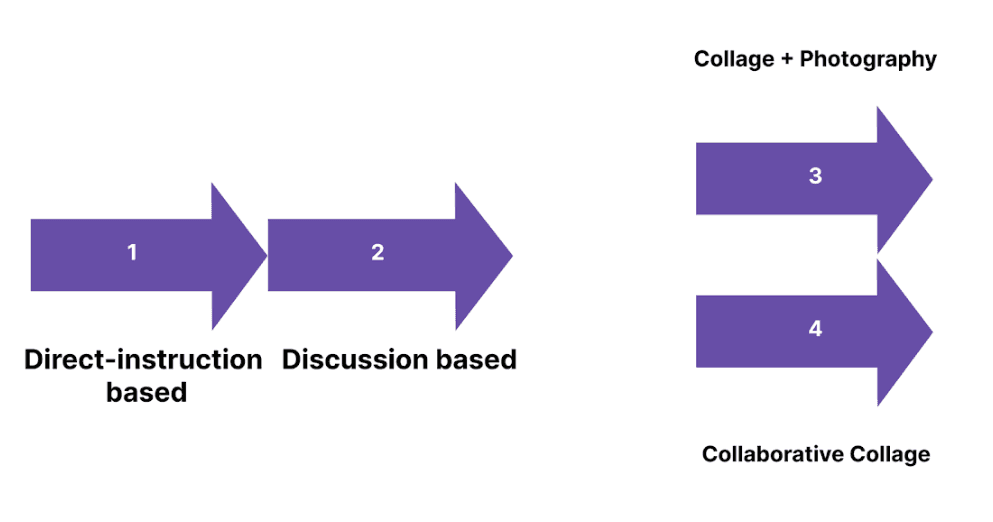
Bi-Annual Lecture and Discussion
A short, SEL-focused seminar where students learn key concepts in digital citizenship, emotional triggers, and healthy self-image.
Peer Reflection Moments
Brief guided discussions that help students process concepts and practice supportive communication.
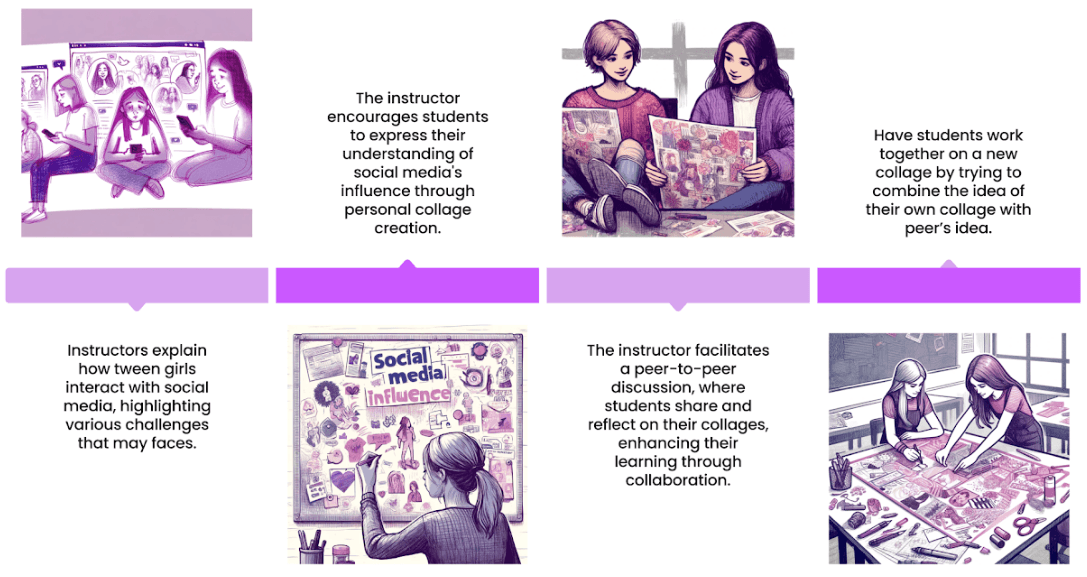
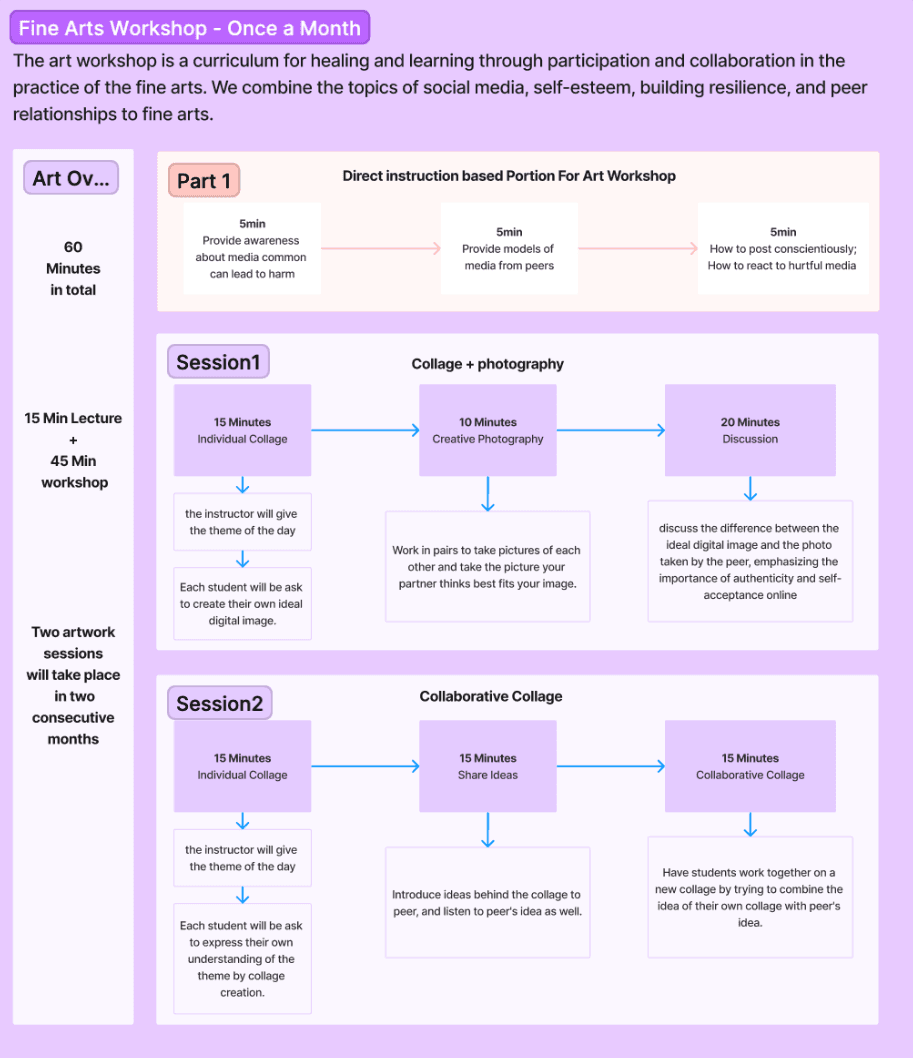
Monthly Collaborative Art Workshop
Hands-on sessions where students express digital experiences through collage and mixed media while exploring identity and resilience.
Each class contributes to a shared piece that symbolizes peer support and collective growth.
Design Rationale
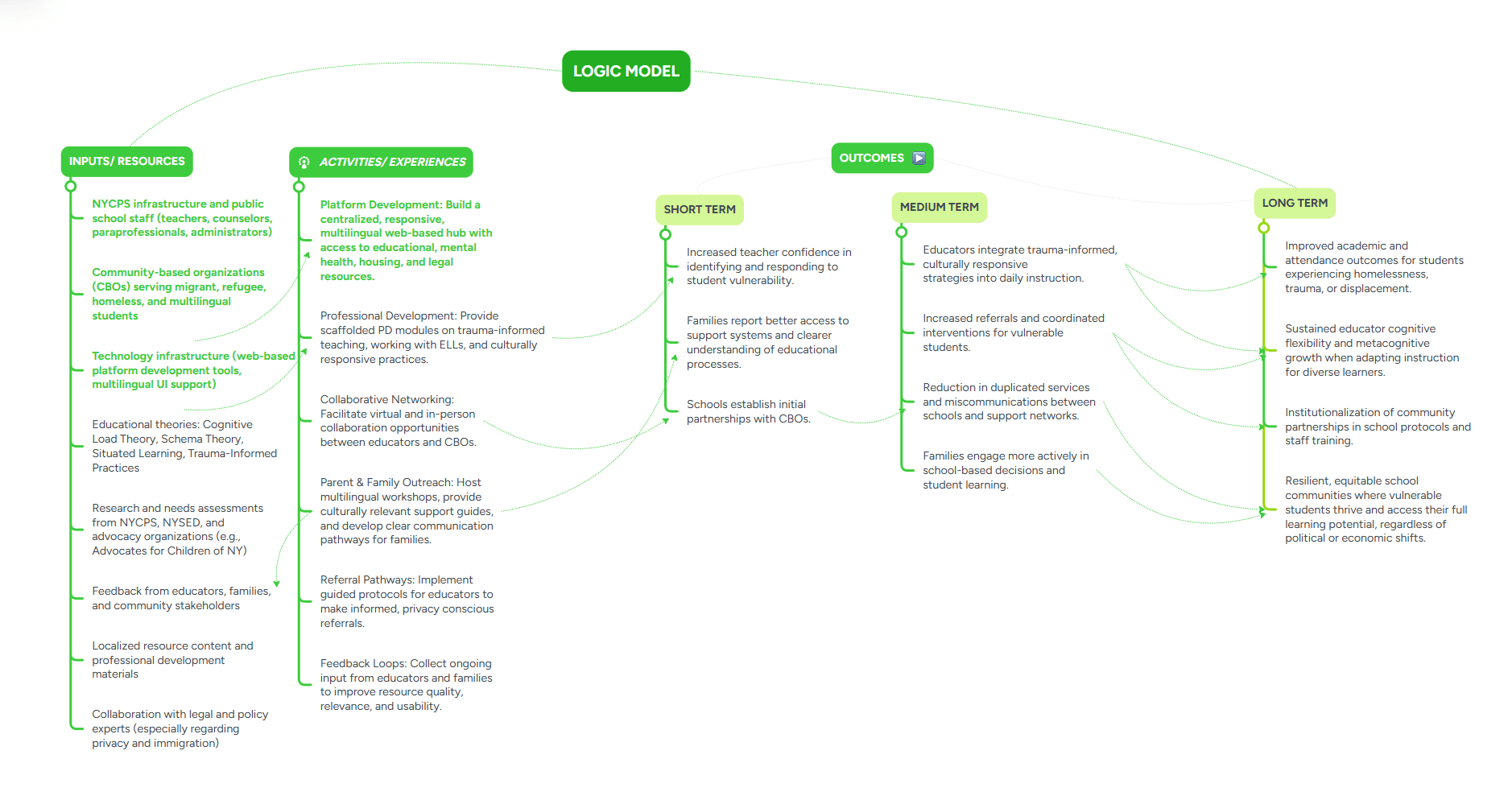
Logic Model
Impact
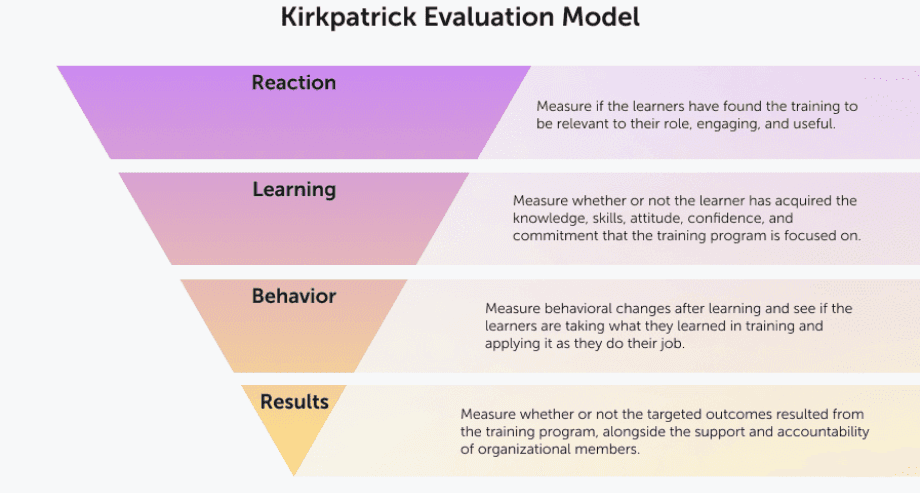
We brought our design into a local school for a short usability check with a small group of learners. Although informal, the early results showed encouraging improvement.
+32%
Greater confidence in interpreting real world images
Tween girls demonstrated clearer understanding of real world images, rising from 38 percent to 70 percent in the interpretation activity.
+35%
Improved recognition of unsafe or misleading online material
Accuracy in identifying negative digital content improved from 45 percent to 80 percent after the session.
+26%
More consistent use of positive and collaborative peer responses
Observed encouragement and collaborative responses rising from 2.0/4 to 3.3/4.